Close

A nation of profound humility and resilience - Positioned at the heart of Asia, it delicately balances between the giants of China and India, yet retains a spirit all its own. Nepal, with its ancient temples and serene landscapes, is more than just a geographical crossroads; it is a cultural and spiritual nexus where the past and future converge, and where every sunrise paints a new chapter in its timeless story. Here, in the shadows of the world's highest peaks, the pulse of life beats with a quiet strength, echoing through valleys and whispered by the winds.
Kathmandu (population approximately 4 million)
Approximately 38.5 million (as per 2022 census)
Nepalese Rupee (NPR)
Nepali
(GMT+05:45) Kathmandu
+977
Most travelers, including those from the U.S., Canada, EU, and Australia, can obtain a visa on arrival in Nepal at the airport or land border crossings. Indian citizens do not need a visa but must carry valid ID. Some nationalities, such as those from Nigeria and Afghanistan, must obtain a visa beforehand. It's always best to check current visa requirements before traveling.
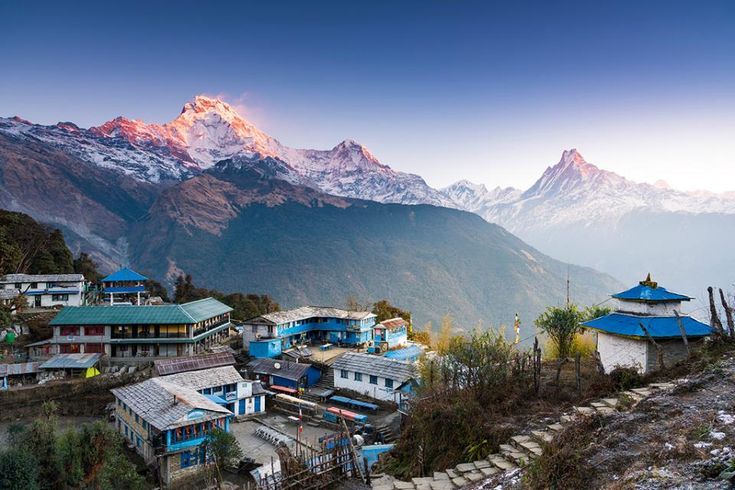
Nepal's weather varies by season: Monsoon (June-Sept): Warm, humid, heavy rains. Autumn (Oct-Nov): Mild, clear skies, ideal for trekking. Winter (Dec-Feb): Cold, especially in mountains; dry. Spring (Mar-May): Mild to warm, blooming flowers, good for trekking. Best visit times are during autumn and spring.
In Nepal, wear lightweight, waterproof clothes during the monsoon; layers and a light jacket in autumn and spring; and warm clothes in winter, especially in the mountains. Always dress modestly, respecting local customs.
Yes, Nepal is generally safe to visit, but it's important to take precautions. Be mindful of the potential for natural disasters like landslides during the monsoon season, and always follow local advice. Petty crime, such as pickpocketing, can occur in crowded areas, so stay vigilant. It's also recommended to have travel insurance and be aware of health risks in remote areas.
Traveling in a small group tour offers a sense of camaraderie, shared experiences, and often guided support, making it easier to navigate and enjoy new places. Solo travel provides more freedom, personal reflection, and flexibility, but it requires more self-reliance and planning. Both offer unique advantages depending on your travel style and preferences.
Yes, tipping is customary in Nepal, especially in the tourism and service industries. It is appreciated but not mandatory. Common practices include tipping guides, porters, and drivers, as well as leaving a small amount in restaurants or for hotel staff. The amount varies, but 10% is generally a good guideline .
Internet access in Nepal is widely available, especially in urban areas like Kathmandu and Pokhara. Most hotels, cafes, and restaurants in tourist areas offer free Wi-Fi, but the speed can be inconsistent. In more remote or rural areas, internet access is limited and slower, though mobile data coverage has improved significantly in recent years with the expansion of 4G networks. It's advisable to purchase a local SIM card for better connectivity during your stay.
Yes, you can use your mobile phone in Nepal. International roaming is available, but it can be expensive. It's often more cost-effective to buy a local SIM card with data and calling packages. Major telecom providers in Nepal, like Ncell and Nepal Telecom, offer good coverage, especially in urban areas. However, signal strength may be weaker in remote regions.
In Nepal, you might find Western-style toilets in cities and hotels, squat toilets in rural areas, pit latrines in very remote places, and eco-friendly options in some eco-conscious locations.